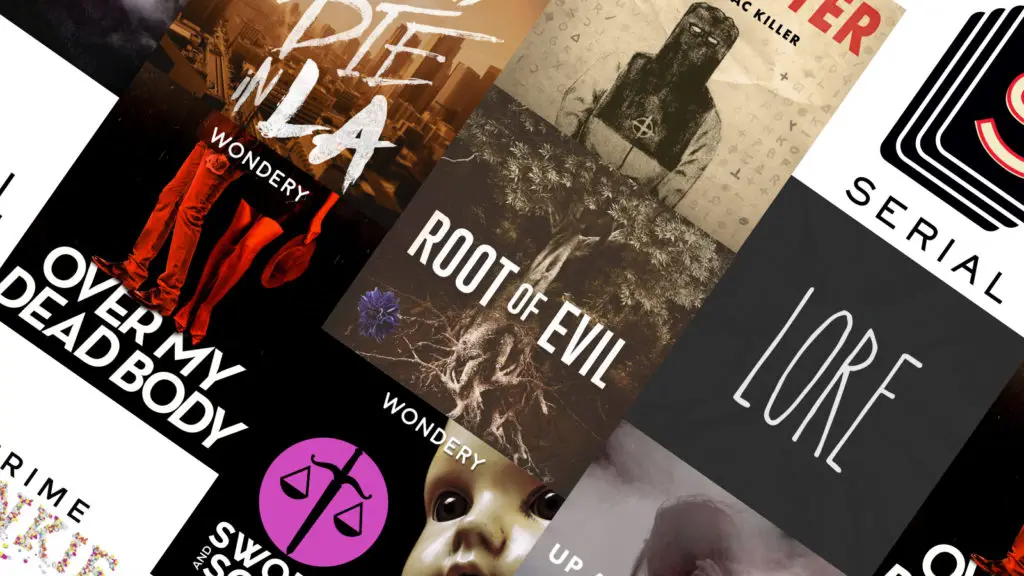




Eight shows. Eight industry defaults. Apple Podcasts celebrated twenty years in June 2025 by naming twenty shows that helped define this medium. The editorial criteria leaned on personal favorites. Ours is colder. We name eight.
Influence in podcasting is easy to claim and hard to prove. The shows that actually changed the medium left fingerprints on every podcast made afterward. Cadence, interview length, sound design, monetisation, the way an episode opens. Each pick below invented a default. As a podcast production agency that ships these formats every week, we hear the borrowed templates on every client pitch call.
Eight picks, in chronological order. Each pick paired with the specific default it invented. Plus a comparison table that lays the defaults out at a glance. Plus an honest skip section on the popular shows we did not include and why. Plus a producer’s read on what the strong ones share. Plus a sources section for the data behind the picks.
Resonate Recordings has produced more than 50,000 episodes since 2014 across narrative, interview, daily-briefing, and serialized formats. We have heard the templates below borrowed in pitch decks, client briefs, and competitive teardowns thousands of times. The list reflects that, not last year’s chart positions.
Why Influence and Popularity Are Not the Same
Most influential-podcast lists conflate the two. We deliberately do not. A few principles separate genuine genre-shaping shows from merely big ones.
The Test Is Whether Other Shows Copy the Format
The clearest signal of influence is that other shows borrow the structure. Serial created the season-long investigative format hundreds of true-crime shows now use. This American Life created the segmented theme episode the entire narrative genre still builds on.
These borrowings are easy to spot in production meetings. Producers reach for phrases like the WTF intro, the Radiolab two-host weave, the Rogan three-hour open. Those phrases are influence at work.
Popularity Without Format Innovation Did Not Make the List
Call Her Daddy, SmartLess, Crime Junkie, and Huberman Lab all sit near the top of the current charts. Each one is excellent. None of them invented a default that the rest of the medium now treats as standard. They are downstream of the eight picks below.
The honest division: influence is about who other producers cite. Popularity is about who listeners cite. The two correlate. They are not the same.
The Eight Most Influential Podcasts (Each One Invented a Default)
Listed chronologically by launch. Each pick names the specific default it invented. An Apple Podcasts player sits under each.
1. This American Life: Invented the theme-episode narrative template (1995)
This American Life predates the iPod and remains the most-imitated narrative show in the medium. Ira Glass’s theme-episode structure, with three or four acts woven around a single idea, is the template most modern narrative podcasts borrow from. The show won the first-ever Pulitzer Prize for a radio show or podcast in 2020.
The show pioneered the public-radio aesthetic that Serial, S-Town, and a hundred other modern series carry forward. If you only listen to one influential podcast, this is the one whose fingerprints sit on the rest of the list. Our review of This American Life covers the back catalogue worth starting with.
2. Radiolab: Invented modern podcast sound design (2002)
Radiolab from WNYC launched in 2002 and built the dense, layered sound-design aesthetic that countless science and narrative shows still imitate. Jad Abumrad and Robert Krulwich’s two-host weave became its own production category.
The show treats sound as an active participant in the storytelling. Modern science podcasts that lean on music, layered voice editing, and acoustic effects are working from the Radiolab playbook. The narrative production tradition this anchors runs through our narrative podcast production service.
3. Dan Carlin’s Hardcore History: Invented the multi-hour deep-dive episode (2006)
Hardcore History launched in 2006 and turned long-form historical narrative into a podcast-native format. Episodes routinely run four to six hours, with months between releases. Dan Carlin’s writing and delivery built an audience that rewarded the format.
The show proved podcast audiences would sit through episodes longer than any radio program would ever air. Modern audiobook-style history shows owe the format Carlin proved was viable. Our review of the best history podcasts covers the genre this opened.
4. WTF with Marc Maron: Invented the long-form celebrity interview (2009)
WTF launched in 2009 and made the long-form celebrity interview a podcast staple. Marc Maron’s recording-in-the-garage format put intimacy and length above polish. The bar for celebrity guests has not been the same since.
The show also produced one of the medium’s most cited episodes when President Obama recorded in Maron’s garage in 2015. WTF normalised the idea that a podcast interview could become a primary cultural source for understanding a public figure.
5. The Joe Rogan Experience: Invented the three-hour conversation and the platform-exclusive deal (2009)
The Joe Rogan Experience launched in 2009 and grew into the largest podcast in the world. The three-hour episode length, the loose conversational structure, and the Spotify exclusivity deal each reshaped how the medium operates. The 2024 contract renewal was reported at 250 million dollars.
Whatever a listener thinks of the show, its influence on length norms, monetisation structure, and what a podcast can become commercially is impossible to ignore. The medium runs differently because of this one.
6. Serial: Invented the investigative season format and won the first podcast Peabody (2014)
Serial launched in October 2014 from the This American Life team and ran a single twelve-episode season on the murder of Hae Min Lee. The show became a cultural event and brought millions of first-time listeners into podcasting. Episode downloads have passed 340 million.
Sarah Koenig’s host voice and the weekly release shape are now industry defaults. Serial won the first Peabody Award ever given to a podcast. Hundreds of true-crime and investigative shows have borrowed the structure since.
7. My Favorite Murder: Invented true-crime comedy and the parasocial community (2016)
My Favorite Murder launched in January 2016 hosted by Karen Kilgariff and Georgia Hardstark. The show invented the true-crime-plus-comedy format and built the most engaged parasocial community in podcasting. Over two billion downloads to date.
The Murderino fan community model has been borrowed by every successful creator-led show since. The format also reshaped how true-crime gets produced. Our piece on the biggest mistakes brands make when starting a podcast covers what happens when shows try to copy this format without understanding it.
8. The Daily: Invented the daily news briefing format (2017)
The Daily from The New York Times launched in February 2017 hosted by Michael Barbaro. The show created the modern daily news podcast format. Twenty-five minutes, one story, deep reporting, weekday cadence. The format is now the standard the entire news-podcast genre uses.
Every major newsroom in America launched a Daily-style show in the five years that followed. Up First from NPR. The Headlines from BBC. Today, Explained from Vox. Each one borrowed the structure The Daily set. Our review of the best news podcasts covers how the genre evolved from there.
The Comparison Table (Each Show and Its Invented Default)
Most influential-podcast lists give you eight descriptions and let you infer the defaults each one set. This table makes the defaults explicit. Use the right-hand columns to match the show to your listening habit.
| Show | Year | Default invented | Best for |
|---|---|---|---|
| This American Life | 1995 | Theme-episode narrative | Narrative newcomers |
| Radiolab | 2002 | Modern sound design | Science + audio craft |
| Hardcore History | 2006 | Multi-hour deep dive | History at scale |
| WTF with Marc Maron | 2009 | Long-form celebrity interview | Interview intimacy |
| Joe Rogan Experience | 2009 | 3-hour conversation + platform deals | Long-form everything |
| Serial | 2014 | Investigative season | Single-case deep dive |
| My Favorite Murder | 2016 | True crime + comedy | True crime with humor |
| The Daily | 2017 | Daily news briefing | Morning commute |
What This List Skips and Why
Three categories of popular shows show up on most influential-podcast lists and never invented a default. We name them here.
Popular Shows That Borrowed Formats Without Inventing Them
Call Her Daddy, SmartLess, Crime Junkie, and Huberman Lab each sit near the top of the current charts. Each one is excellent. None invented a format. Call Her Daddy is downstream of WTF. SmartLess is downstream of the celebrity panel show. Crime Junkie is downstream of My Favorite Murder. Huberman Lab is downstream of the Tim Ferriss expert-interview template.
Comedy Panel Shows That Iterated on Existing Formats
Pod Save America, Pardon My Take, and How Did This Get Made are all strong shows. They iterated on the panel-podcast format rather than inventing it. The format itself predated podcasting in terrestrial radio. Popular does not always mean format-defining.
Daily News Shows Copying the Daily Template
Up First, The Headlines, Today Explained, and most national news daily podcasts borrow the format The Daily set in 2017. They are good shows. They are also explicitly downstream. The honest version of an influential-podcasts list credits the show that invented the template.
What Producers Notice About These Eight Shows
Four observations from the editing-room side that apply across all eight picks above.
Each One Has a Recognisable Audio Identity Within Ten Seconds
Radiolab, Serial, WTF, and The Daily each have an audio identity recognisable within ten seconds. The identity was decided early and protected episode after episode. New shows often skip this step. The strong ones treat audio identity as a brand asset, not a finishing touch.
Format Discipline Repeated Episode After Episode
Influential shows do not invent a new format every week. They pick a structure, trust it, and repeat it until it becomes a category. The teams that maintain that discipline usually have a dedicated producer on the workflow. Our podcast management service provides exactly that for client shows.
Editing That Trusts the Listener
These shows leave silences in. They let guests finish thoughts. They end segments before they sag. The instinct is the same instinct that runs the best public-radio shows. Our piece on getting past the skip button covers the editing craft this requires.
Built for Scale by Networks or Independent Teams With Real Backing
This American Life sits at PRX and WBEZ. The Daily sits at the New York Times. Serial sits at Serial Productions. Each show had real production resources from day one or built them quickly. Agencies producing client shows in this space face the same scale problem. Many partner with a white-label podcast production service for the craft layer. The team gets built once and shared across client shows. Honest planning helps. The podcast readiness assessment covers whether your team has the depth a category-defining show requires.
Listen to Two From the Top of the List Before Anything Newer
If you want to actually understand how the medium got here, start with This American Life and Serial. Those two shows account for most of the audio templates the rest of the medium runs on. Add Radiolab for sound design and The Daily for daily news cadence and you have heard the four formats the current ecosystem still copies. The other four picks fill out the picture.
If you want help producing a podcast that uses these formats well, book a podcast strategy call with our team.
For more reading on adjacent listening, our review of Black history month podcasts covers cultural-influence picks the established history lists keep missing.
Sources
- Apple Podcasts: 20 podcasts that helped define this medium (June 2025 anniversary list): https://learn.applepodcasts.apple/20-podcasts-we-love
- Serial: Peabody Award announcement (first-ever Peabody for a podcast): https://peabodyawards.com/award-profile/serial/
- This American Life wins first-ever Pulitzer Prize for a radio show or podcast (2020)
- Joe Rogan Experience: Spotify exclusive licensing deal ($250M renewal, 2024): https://variety.com/2024/digital/news/podcast-deals-joe-rogan-kelce-brothers-alex-cooper-1236139684/
- Apple Podcasts 20-year anniversary editorial collection coverage: https://9to5mac.com/2025/06/26/apple-podcasts-picks-20-shows-that-define-this-medium-at-two-decade-milestone/