
A pharma and life sciences podcast launch that plans for review and for your field teams
Your scientists and medical experts have plenty to say. Our podcast launch program turns that into a show, with time for medical, legal, and regulatory (MLR) review built into the schedule.
From strategy to trailer to first episodes, we do the building. What gets said stays your reviewers’ call.

Who should your first show be made for?
Start with one audience. When a show speaks to a single clear listener, it’s simpler to plan and it’s simpler to sustain.
Outside audiences
Clinicians, policy stakeholders, and industry peers may follow a show that explains how your experts think.
- A trailer that tells newcomers what to expect
- Episodes your reviewers hear before they’re public
- Topics picked around questions your audience already asks
Your own field teams
Reps are often between visits, so an episode can fit a drive. Internal shows run on private feeds that public apps can’t see.
- A feed kept inside the company with private podcast hosting
- Updates for people who couldn’t join the live call
- Your team decides what field teams may hear
What does a launch with us include?
Four parts, each timed with your approval steps in mind.
Strategy
Settle who listens and why they’ll stay.
- Audience definition and where the show sits
- A review of shows already out there in your area
- The show’s name, format, and episode structure
Brand and trailer
Sound like a show that’s been around.
- Cover art, theme music, and a short intro
- A produced trailer episode
- Social graphics ready for launch week
Production
Make the first episodes well.
- Support when you record, then edits, mixes, and masters
- Video episodes with YouTube-ready edits
- Short video clips and audiograms (audio over a still image with light animation)
Launch and growth
Go live with a plan for what follows.
- Hosting with analytics
- Your show appears on YouTube, Spotify, Apple Podcasts, and more than 20 other directories
- A launch-week plan, then a written 90‑day roadmap
Where does MLR review fit in the launch timeline?
The plan has five stages, and reviewers have a role in each of them. Your approval speed decides the pace.
| When | Stage | What happens | Where review comes in |
|---|---|---|---|
| Weeks 1 to 2 | Strategy | Together we pin down the audience, the show name, the format, and how an episode is built. | We ask which functions review what, and how long each usually takes. |
| Weeks 2 to 4 | Brand assets | Cover art, music, and the intro take shape, and the trailer script gets drafted. | They come to you for approval before they’re final. |
| Weeks 4 to 7 | First episodes | The first episodes are recorded and produced. | Your reviewers hear the cuts before launch. |
| Weeks 7 to 10 | Launch | The trailer and first episodes go live, and your launch-week plan starts. | Nothing’s released until your team says yes. |
| Through week 12 | Optimize | The early numbers get studied, anything that isn’t landing gets adjusted, and a written 90‑day roadmap lands in your hands. | Any changes go through that same approval, so there’s no side door. |
Who decides what an episode can say?
Your regulatory, legal, and medical teams do, every time. We’ll keep the calendar and the production moving around them.
Stays with your team
- Everything an episode says.
- Review and sign-off from your medical, legal, and regulatory functions.
- Deciding if an episode is promotional material, and what that triggers.
- The final approval, since nothing’s public until you give it.
We handle
- A plan that holds time for each review pass.
- Recording, editing, mixing, and mastering.
- Fixes your reviewers request, up to the number of revision rounds in your plan.
- Publishing and distribution once you approve.
What do we need from your experts?
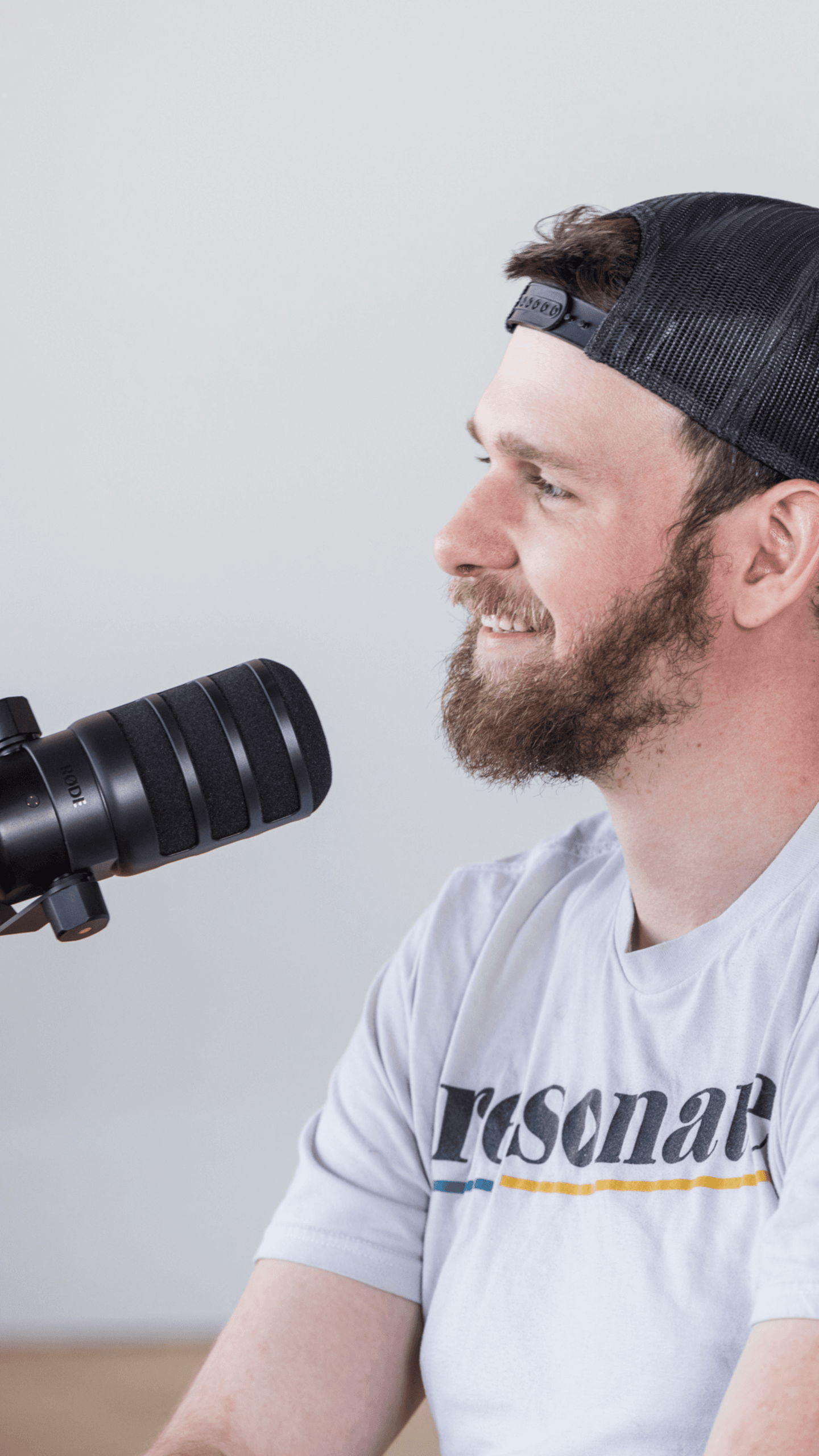
You bring the knowledge, and we’ll handle the rest. That’s a short list for busy people.
- Block one to two hours for each episode you record.
- Bring the host, someone who’s at ease on a mic and knows the topic.
- Pick your guests, and we’ll build the booking workflow.
- Give final creative approvals.
- Keep your internal stakeholders and reviewers in the loop.
What happens once week 12 is behind you?
Plenty of launches grow into an ongoing partnership. Add whichever pieces would help.
Video production
Complete video episodes, along with short clips cut for YouTube and social.
Podcast management
A producer who keeps the schedule moving alongside your team.
Podcast marketing
Clips, podcast SEO, and growth plans for finding new listeners.
Curious about a monthly range? Answer 10 questions in the podcast cost calculator to see a fitting package.
What pharma teams ask before a launch
How long does a pharma podcast launch take?
Expect 8 to 12 weeks from the first call to launch day. What varies most is review speed, because your team approves the strategy, the artwork, and the early episodes.
Can you build MLR review into the schedule?
Yes. On the first call, we’ll learn who reviews what and how long each pass runs. The calendar follows, and an episode stays private until your team says yes.
Who handles promotional and regulatory questions?
Your team does. Your medical, legal, and regulatory leads make those calls, and we’ll follow them. Our pharma podcast production page explains how review works after launch.
Can the show be just for our field team?
Yes. Internal shows run on private feeds, which public podcast apps can’t see, so reps and managers can listen on their own.
Will the show be a hit?
Nobody can say for sure, and we’d doubt anyone who does. What you’ll get is careful planning, good production, a show people can find, and a candid look at the results.
What should we have ready on day one?
A subject your experts know cold, someone relaxed on a mic to host, and one or two hours per episode. We’ll suggest recording gear and handle editing through distribution.
Ready to plan a launch your reviewers can approve?
Who do you want to reach, and who approves what you publish? Start there. We’ll sketch a possible launch and the effort behind it. Not sure you’re ready? The readiness assessment is a quick check.