
Nonprofit podcast editing that doesn’t hang on one busy volunteer
Your show began with a board member who knew their way around editing software. Then they changed roles, and episodes slowed to a trickle. It happens in plenty of mission-driven groups, and it’s fixable.
Our podcast editing services crew mixes and masters each recording, and edits it on Plus and Pro. Most episodes return in 3 to 5 business days, while your stories still feel timely.
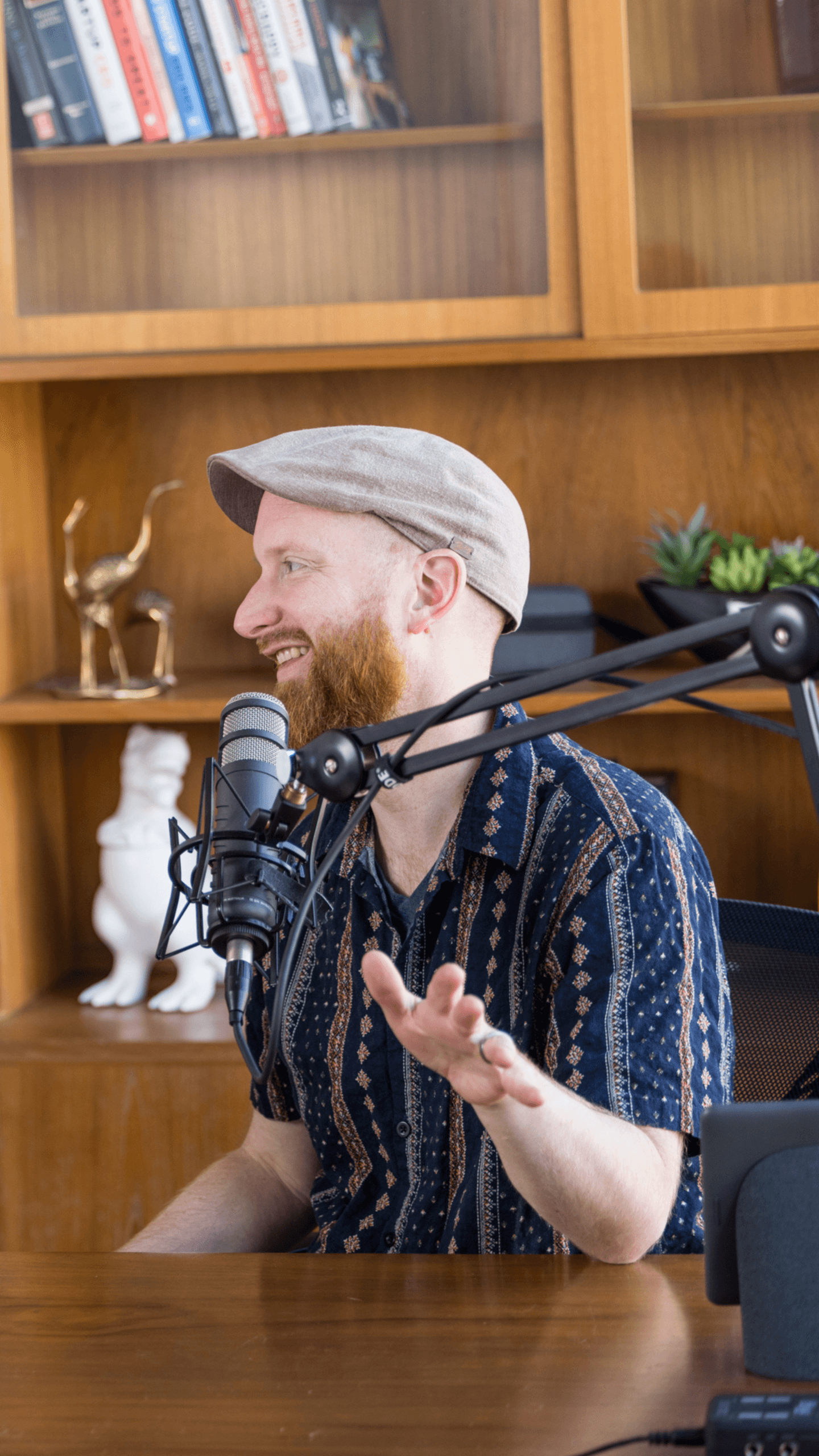
Who usually makes a nonprofit podcast?
Nonprofit shows come together in different ways. Each one asks something different of an editor.
A show run on spare hours
Your host records around a day job. We’ll take the editing off their plate, so all that’s left is showing up and talking.
Many places, one sound
Each chapter records in its own room on its own mic, and they don’t all sound alike. We’ll even out the levels, so a chapter episode sits comfortably beside a headquarters one.
Stories from the field
Staff often record on a phone or in a busy hallway. We’ll quiet the room noise, so the people you serve come through clearly.
Why does a volunteer-edited show slow down?
The volunteer isn’t the problem. The setup is. Here’s how that pattern shows up in a nonprofit, and what shifts with a team.
What goes wrong with one volunteer
- Everything lives in one head. When that person gets busy or moves on, the process goes with them.
- Turnaround stretches. A quick edit turns into a month, and a timely appeal doesn’t get its moment.
- Sound drifts. With nothing written down, loudness and music change from one episode to the next.
- Each handoff starts at zero. A new volunteer can’t know the intro, the name pronunciations, or your habits without guessing.
What a team adds
- Cover. If one engineer is out, a teammate who knows your show picks up the file, and your feed keeps its rhythm.
- A steady queue. The usual turnaround is 3 to 5 business days, since nothing waits on one person’s calendar.
- Preferences on file. Where your intro and outro go, and what to never cut, sit where every engineer on your show can read them.
- Less chasing. You send the files and notes. Then you’ll listen to the finished episode.
Our process page shows where each of those pieces sits.
How does a recording travel from your chapter to your feed?
Your people stay in charge of what an episode says. This is where the edit fits.
| Stop | What happens | Who leads |
|---|---|---|
| 1. Upload | Your staffer or volunteer adds the raw file to the Resonate app and flags what you don’t want. | Your team |
| 2. First pass | An engineer evens out the voices and sets the overall volume. On Plus and Pro, they also cut the episode. | Resonate |
| 3. Review | We email you as soon as the cut is waiting. Reviewers listen and write comments in the app. | Your team |
| 4. Changes | We work through the comments and send a fresh version, within your tier’s revision rounds. | Resonate |
| 5. Release | Once you approve, you receive a tagged file to publish on whatever platform carries your show. | Your team |
Who decides what your episode says?
Your organization does. We’ll look after how it sounds.
Your organization keeps
- The story each episode tells, and what it leaves out.
- Permission from every volunteer, donor, and neighbor who’s on tape.
- Sign-off from your board, legal advisors, or program leads.
- The last word before an episode goes public.
Our engineers handle
- The balancing and finishing of each episode, plus any cuts your tier includes.
- New versions built from your reviewers’ comments.
- Notes on your preferred sound, shared with everyone on your show.
- Delivery dates that leave your reviewers enough time.
A personal story from someone you serve deserves care. Whether to share it, and how, is your call, and it isn’t ours to make. We don’t offer legal or fundraising advice, and we’ll gladly work around whoever signs off.
What happens to each episode?
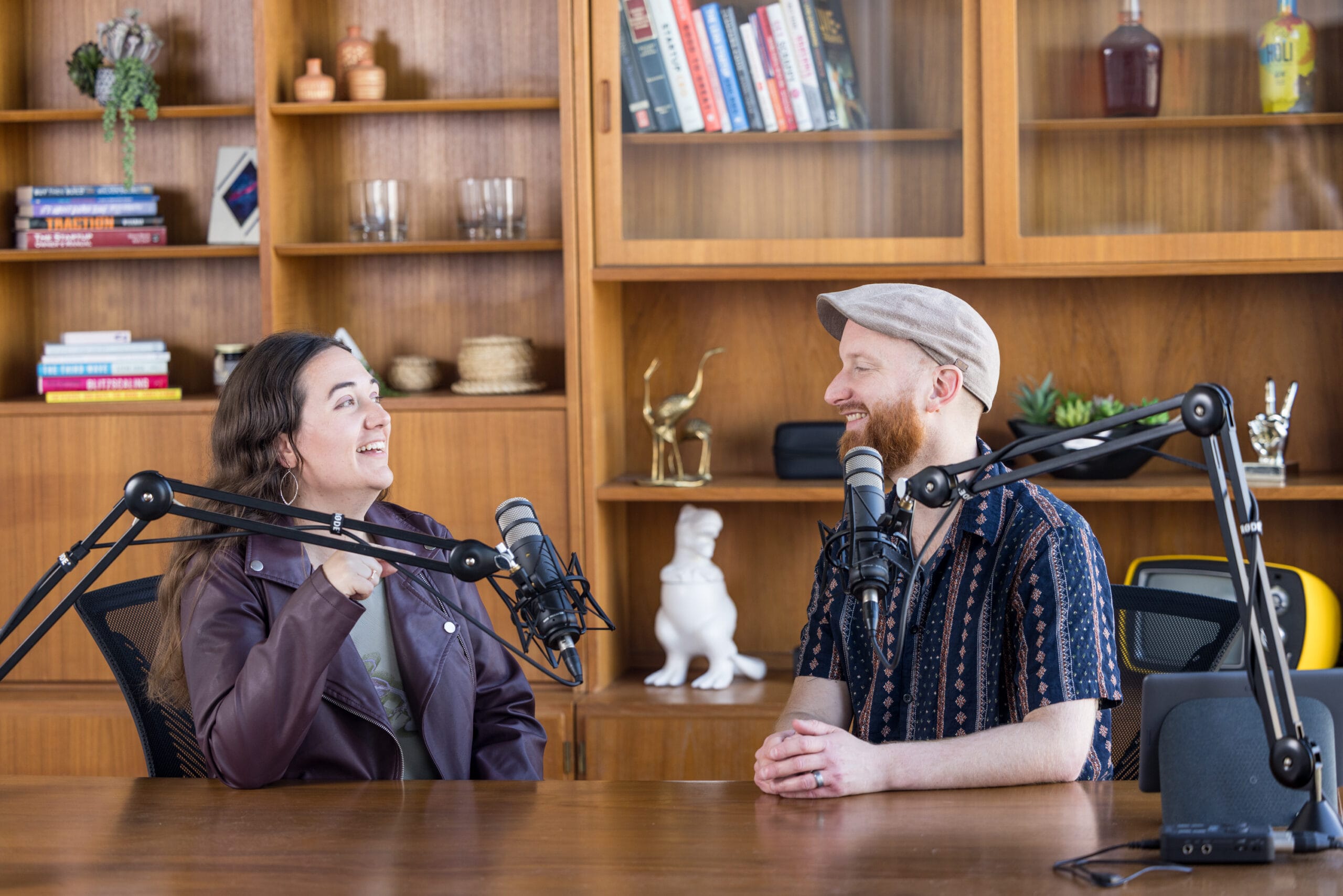
Send whatever you’ve recorded, and it’ll return ready for every major app.
- Editing. On Plus and Pro, an engineer listens for stumbles, filler words, restarts, and dead air, then trims them. A pause that gives a story its weight doesn’t get cut.
- Mixing. Voices sit at an even level. A volunteer who dialed in from a car sounds less like a phone call.
- Mastering. The final volume lands near negative 16 LUFS, a typical level for podcast apps. Tags are added last.
- Video. Did you film the conversation? Our video podcast production crew syncs the footage to the finished audio, then adds color and captions for YouTube.
How much editing fits your show?
An engineer mixes and masters at every level. The difference is the amount of content editing you hand off.
You already trimmed it
A volunteer has cut the episode. It just needs to sound finished.
- Mixing and mastering
- No cuts, not even ums or false starts
- Raw audio: 120 minutes at most
- 3 business days
Edited and ready
You’d like a polished episode back with few rounds of notes.
- Editing, mixing, and mastering
- Raw audio: 60 minutes at most
- One revision round
- 3 business days
A team that knows your mission
Leaders care about the show, and you’d like the same people on it every time.
- Everything in Plus
- Raw audio: 70 minutes at most
- A dedicated team and an account rep
- A priority spot in our production queue
- Three revision rounds
- 5 business days
Pricing follows release pace, episode length, and custom requests. Our podcast production services page breaks down each tier. The podcast cost calculator offers a ballpark after about two minutes of questions.
Can we switch editors and keep our sound?
Yes. Moving takes some time, and we’ll walk you through each step.
What we do first
- Listen back to a few recent episodes.
- Ask how you want the show to sound, then write it down.
- Map out the handover with you so releases keep going.
What to expect
- Your supporters shouldn’t notice a change.
- Whoever edits for you now can wrap up anything that’s in progress.
- Before you commit, the timeline is spelled out.
Want a feed that’s only for volunteers or board members? Private podcast hosting limits episodes to invited listeners. For a bigger story, our narrative podcast production team builds documentary-style seasons.
Questions from nonprofit teams
What mission-driven groups tend to ask before sending a first episode.
Can a team take over from the volunteer who edits our show?
Yes. We play back recent episodes, record your sound preferences, and shape the handover around your release dates. Anyone who’s already mid-episode can finish it.
Can several chapters send you recordings?
Yes. On the first call, tell us who records and where. Every file is finished to the same written preferences, so the sound stays steady from one chapter to the next.
Who reviews stories from the people we serve?
Your organization does. You decide what’s shared, and you collect every permission. We handle the edit and any changes a reviewer asks for.
How soon will an edited episode be back?
Basic and Plus episodes take 3 business days, and Pro takes 5. Timing begins after the last raw file and note reach us.
Edit request or revision request: what’s the difference?
An edit request happens at upload, say to drop a tangent. A revision request comes after you’ve heard our first version. Basic includes no revisions, Plus includes one, and Pro includes three.
What does nonprofit podcast editing cost?
It depends on release schedule, episode length, and special requests. A short call with our team is the fastest route to a firm quote.
Send us the episode that sat in a folder too long
We’ll listen along, tell you what we’d change, and sketch how editing could work for your volunteers and chapters.