
Government podcast editing that keeps pace with your approval chain
A public episode can pass through four or five desks before anyone outside hears it. It might go to communications, then counsel, then a department head. We make sure the edit is never what holds it up.
Our podcast editing services team edits, mixes, and masters each recording. Expect most of them back inside 3 to 5 business days. Your own staff run every approval, and we’ll fit our dates around them.
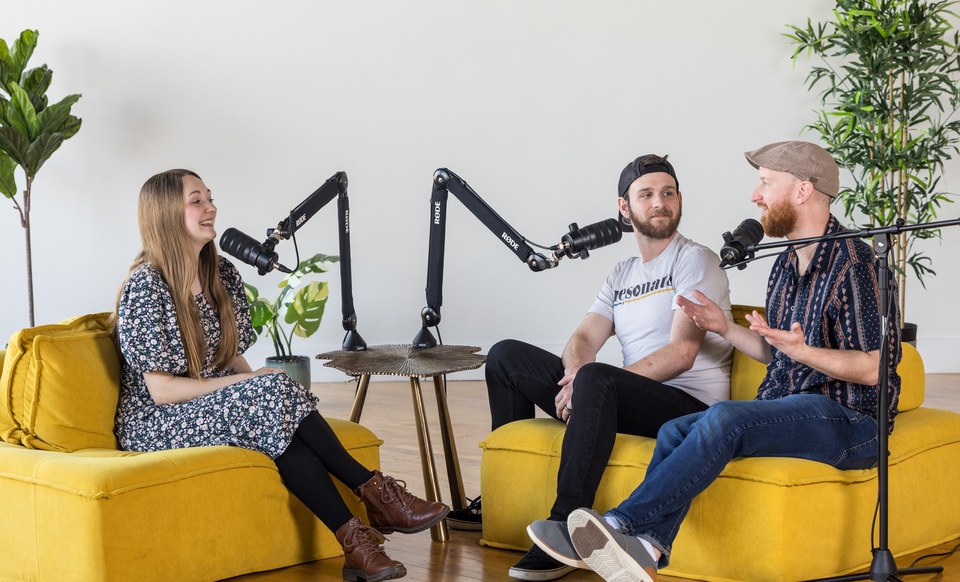
Which public sector shows is this for?
Agencies, cities, and public bodies make very different shows. Here’s what each one tends to need from an editor.
Program explainers
A program officer walks listeners through how a benefit or service works. We trim the false starts and keep every step in order, so nobody misses the part they came for.
Updates from city hall
Road work, budgets, new services. Residents won’t wait through a long wind‑up, so we tighten the pace and keep every voice at the same level.
Voices from the field
Libraries, transit teams, and public health staff often record away from a studio. We reduce the room noise, so those voices hold up next to your host.
How does an episode move through a long approval chain?
Your process stays yours. Here’s where the edit sits inside it.
| Stop | What happens | Who leads |
|---|---|---|
| 1. Upload | Your team uploads the raw audio in the Resonate app and flags anything to remove. | Your team |
| 2. First cut | An engineer cuts the episode, balances it, and sets the final loudness. | Resonate |
| 3. Review | An email lands when the cut is ready. Each reviewer in your chain listens and leaves comments in the app. | Your team |
| 4. Changes | We make the cuts your reviewers asked for and send back a fresh version. | Resonate |
| 5. Release | Your final approver says yes. We hand back a tagged file, ready to publish wherever your show lives. | Your team |
Who makes the calls on what a public episode says?
Your team does, every time. We look after the sound, and we’ll stay well clear of policy.
Your staff keep
- What each episode says, and what it leaves out.
- Every review step, from communications to counsel to an elected office.
- Consent, records, and accessibility decisions.
- The final approval before anything goes public.
Our engineers handle
- Editing, mixing, and mastering each episode.
- Turning reviewer notes into a new version.
- Writing down your editing preferences for the whole team.
- Setting edit dates that leave room for each review.
What do our engineers do to each episode?
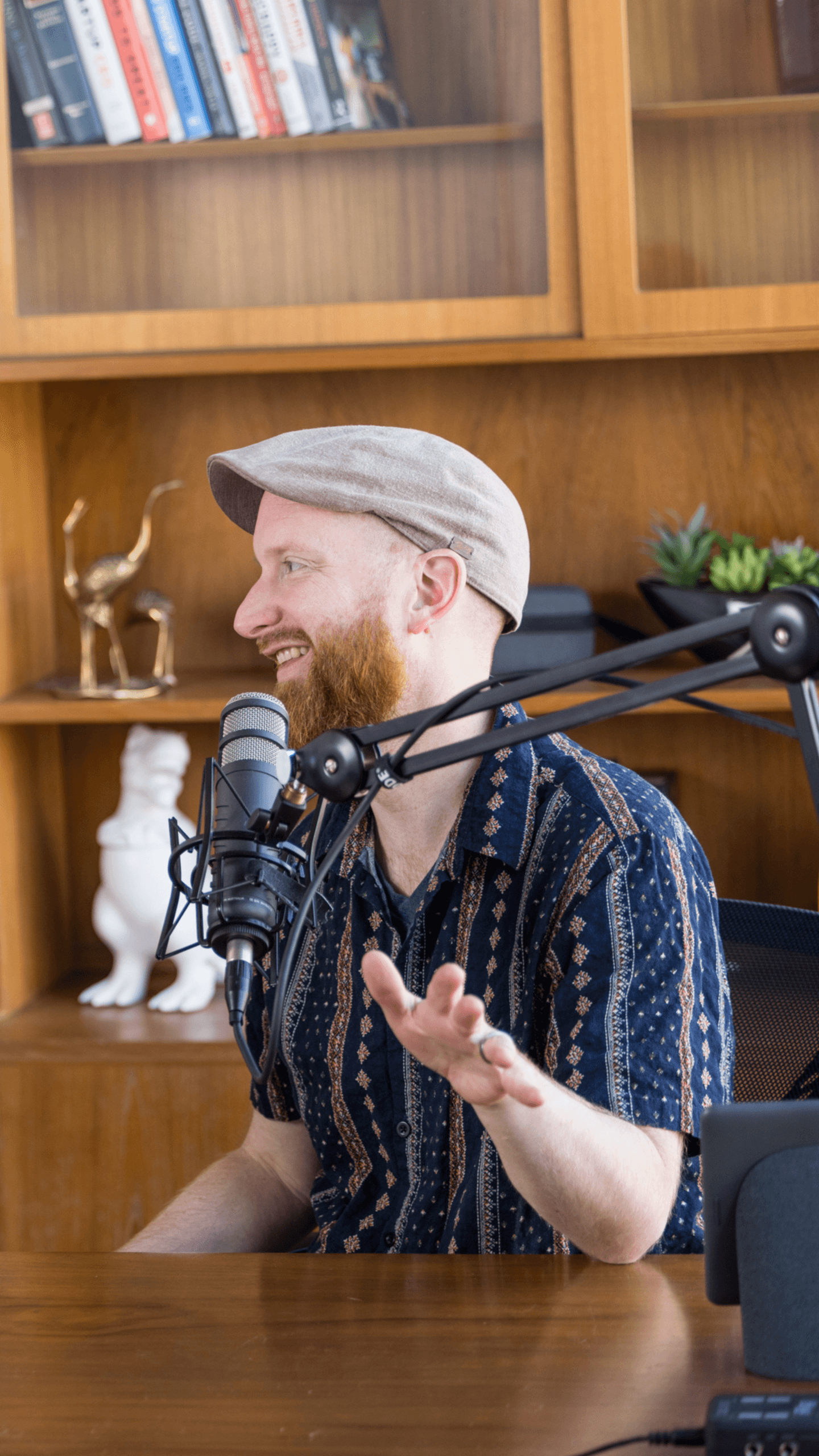
Send the raw recording you already have, and it comes back ready for every major app.
- Editing. We cut stumbles, filler, restarts, and dead air by listening, so a pause that makes a point stays put.
- Mixing. Hosts and guests sit at even levels. A staffer calling in from a field office sounds less like a phone call.
- Mastering. Loudness goes to about negative 16 LUFS, a common podcast app standard. After that, the file gets its tags.
- Video. Filmed the conversation too? Our video podcast production team lines up the footage with the edited audio and adds color and captions for YouTube.
Can you hear the gap between an AI edit and ours?
In each clip, an AI editing tool did the first half. One of our engineers did the second.
Where a thought ends
Software cuts at the silence. A person cuts where the sentence finishes, which keeps an official from sounding rushed.
The filler worth keeping
Strip out every “um” and a relaxed interview starts to sound like a prepared statement.
The handoff between voices
Listen to how the second speaker comes in. It’s subtle, and it’s what people notice when it’s off.
How much editing does a public show need?
Mixing and mastering by a trained engineer come with all three tiers. The tiers differ in how much content editing you hand over.
Your team already cut it
Communications staff have trimmed the episode and want it to sound finished.
- Mixing and mastering
- No content editing
- Raw recordings up to 120 minutes
Edited and ready
You’d like a clean episode back without a lot of rounds.
- Editing, mixing, and mastering
- Raw recordings up to 60 minutes
- A fixed count of edit and revision requests
A team that knows your office
Leadership cares about the show, and you want the same people on it each week.
- Everything in Plus
- Raw recordings up to 70 minutes
- Your own dedicated team, plus an account rep
- Priority turnaround
Price turns on how often you publish, how long episodes run, and any custom needs. Our podcast production services page explains each tier, and the podcast cost calculator shows a rough range after about two minutes of questions.
Why hand a public show to a team instead of one editor?
Staff move on and budgets get reset. Your show shouldn’t stall because one freelancer’s calendar filled up.
They cover Pro Tools, Dolby Atmos Mixing, and iZotope RX, a tool for fixing damaged recordings. Each engineer has formal recording arts training, too.
We keep your preferences in a shared document the whole team works from. Department names, acronyms, and how to say a council member’s surname carry over from one episode to the next.
Can we switch editors partway through the fiscal year?
Yes, and it doesn’t have to wait for a new budget cycle.
What we do first
- Play back your latest episodes to hear how they’re cut now.
- Ask how you’d like it to sound, then write those notes down for the team.
- Plan the handover with you, so releases keep going.
What you can expect
- Listeners shouldn’t notice the change.
- Your current editor can finish any episode they’ve started.
- You’ll know the timeline before you commit.
Want help with the whole show, beyond the edit? Our government podcast production page covers planning and launch for public agencies. For staff-only briefings, private podcast hosting keeps episodes to invited listeners.
Questions from agencies and city teams
What public offices tend to ask before they send a first episode.
Can you plan edits around an approval process with several steps?
Yes. Tell us on the first call who reviews each episode, and in which order. Then we’ll set edit dates that give every reviewer the time your process needs.
Who checks an episode for legal or policy issues?
Your staff and counsel do. Our part is the edit itself, plus any change a reviewer requests. Policy and legal judgment stay with your office.
Do you hold government contracts or accessibility certifications?
No. We don’t claim any contract vehicles, procurement status, or accessibility certifications. Ask us early about your buying requirements.
How fast does an edited episode come back?
Expect 3 to 5 business days for most episodes. The clock starts once every raw file and note has arrived, and Pro gets priority turnaround.
How is an edit request different from a revision request?
An edit request is a cut you flag when you upload, like a tangent you’d rather drop. A revision request comes later, once you’ve heard our first cut. Your tier sets how many of each you get.
What does government podcast editing cost?
It comes down to release frequency, episode length, and any special requests. A short call with our team is the quickest way to a firm quote.
Send us the episode that took longest to approve
We’ll listen with you, point out what we’d change, and sketch how edits could fit your review chain.