
Private podcast hosting for software and technology teams that work from everywhere
Your engineers already juggle chat threads, wikis, and standups, and they’re busy. Our private podcast hosting adds one calm channel, a show that only invited colleagues can hear.
It plays in the podcast apps they already use, and you hold the listener list. Upload episodes you’ve recorded yourselves, or hand the making to our producers.

Why do big announcements get buried in a tech company?
A remote or hybrid engineering org doesn’t lack channels. It has chat, email, wikis, recorded all-hands, and a calendar full of syncs. The message usually goes out fine, then scrolls away by lunch.
Recorded meetings get saved for later, and later doesn’t come. Long docs wait for a quiet hour that doesn’t show up. A five-minute episode fits the gaps, like a walk, a commute, or a workout.
Here’s the catch. A normal show on public podcast hosting exists so strangers can find it. A company show has to reach your own people and stay hidden from public apps.
How private should an engineering show be?
More privacy usually adds a step for the listener. These pairings are a starting draft. You know your org better than we do, and you’ll adjust them.
| Option | How people listen | Where it fits in tech |
|---|---|---|
| Unique RSS feed | Invites go out by email, and each carries its own feed for any podcast app. If you cut off one person, it’s only their feed that stops. | Leadership updates you’d hate to see forwarded |
| Private RSS feed | A single shared feed, kept out of directories like Apple Podcasts, Spotify, and Amazon Music. It’s the fastest way to reach a big group. | Low-risk news, like culture stories and team shout-outs |
| Private embed player | No feed exists. Episodes play inside a player that you embed on your intranet or learning platform. | Onboarding and training that already sits behind your login |
| Secure microsite | The microsite drops the feed as well. Listeners log in to a password-protected show site. | Partner or contractor programs without a portal |
What does a private show look like at a global software company?
A global enterprise software company hosts three staff shows on our platform. They cover engineering, executive interviews, and culture and people. The company wants to stay unnamed.
Nobody’s had to learn a new app. Employees subscribe in the player already on their phones, to one show or to all three in one combined feed. Your numbers won’t match these, because your company isn’t theirs.
What sits behind the account?
Engineering and IT leads tend to ask the same few questions. Here’s what they’re usually after.
Access that follows your tools
Send invites by email, or have people sign in with Slack. When an account is closed, that person can’t hear any episode, new or old.
A subscribers API
Your developers don’t have to invite anyone by hand. With the API, your HR or member records can decide who’s on the list.
Several shows, one account
Run engineering, product, and leadership shows side by side. Every show gets its own audience and unlimited episodes.
Analytics in one dashboard
Track downloads, subscribers, listening apps, and locations. The embed player adds more detailed stats of its own.
Your branding, not ours
We’ll take our branding off the embed player. Premium microsite themes can match your own.
Real people on support
Questions reach a person over live chat, phone, or your own private Slack channel.
What could a tech company put on a private feed?
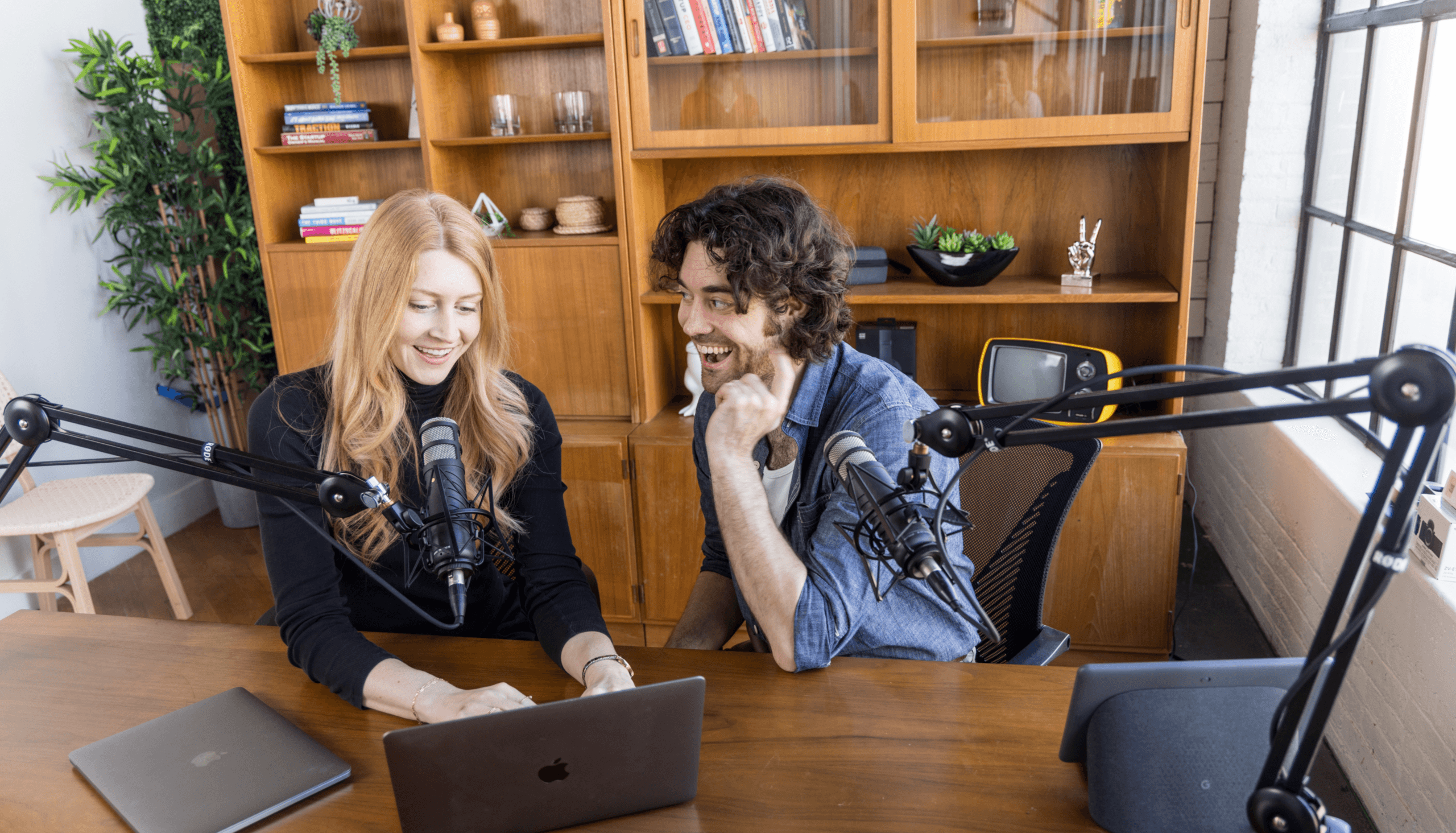
These are starting points from our producers. They aren’t drawn from client work.
Our internal podcast for tech companies page goes further on formats.
- An executive interview series where leaders explain how they think.
- An engineering show on what shipped, what broke, and what the team learned.
- A product update on what’s shipping and the reasons, in about five minutes.
- A culture and people show that helps new hires feel part of the team.
- An onboarding series for new engineers, before their first sprint.
How do you launch a private show in four steps?
Set up the show
Create a show in your dashboard, then choose its privacy level.
Invite listeners
Add people by email or link your Slack. The list can change whenever your roster does.
Upload episodes
Publish one time. Everyone you’ve approved finds it wherever they listen, whether that’s an app, your player, or your microsite.
Check the numbers
See downloads, subscribers, and apps, then plan the next episode around what’s landing.
Will your team make the episodes, or should ours?
Hosting on its own
Your team records and edits while we look after privacy and delivery. It’s a fit if someone on staff already handles that. Writing for a public audience instead? Our B2B SaaS podcast production page covers shows for customers.
Hosting with production
Our team plans, records, and edits the show, and hosting’s included. The internal communications podcast service explains how that works.
What can’t a private feed do?
Recorded audio can never be fully private, because a listener can capture it. Treat every episode like an internal document, and leave unreleased product details out unless your security team has signed off.
A hosting platform decides who gets in. It doesn’t vet the content, and it’s no substitute for security or legal review. Those calls stay with your teams.
Bring your toughest IT questions to the call. Expect candid replies, even when the honest answer is “that’s not our call.”
What software and tech teams ask about private hosting
Can we cut off someone who leaves the company?
Yes. Remove listeners individually, or link Slack so their access closes along with their account. Your developers can also automate it through the subscribers API.
Do engineers need a special app?
No. If you pick an RSS option, people drop their private feed into an app such as Apple Podcasts. The embed player and microsite just open in a browser.
Can each team have its own show?
Yes. One account can hold a show for engineering, another for leadership, and another for training. Each one keeps its own audience.
How secure is a private show?
It keeps casual listeners out, though nothing recorded is fully private. For sensitive episodes, a unique feed or a login option is the better pick.
Do you book guests for internal shows?
We don’t book guests. If we produce the show, our producers draft the outreach note, prepare each guest, and write the questions. Your team sends the invites, because we can’t promise anyone’s answer.
How much does a private show cost?
Cost tracks the size of your audience. Big companies get a custom plan. Book a call and bring a rough headcount.
Tell us who belongs in the audience
Share your teams, your time zones, and what you most want people to hear. We’ll recommend a privacy level, and we’ll walk you through how it’s set up. Prefer a quick read first? Try the podcast readiness quiz.