
Podcast management for manufacturers, so the show keeps moving when the plant gets busy
Your engineers and plant leaders know the work better than anyone. They’re also the people every line, audit, and customer needs first. Our manufacturing podcast management gives the show a producer, so it doesn’t wait for a quiet week.
It’s our podcast management service, shaped around plant calendars. Your experts do the talking. We’ll take care of planning, prep, and the calendar.
Why do manufacturing podcasts go quiet?
Most of them start well. Then a line changeover, a customer audit, or a product launch eats the week, and the next recording slides.
Nobody did anything wrong. The people with the best stories have a plant to run, and the podcast is their second job at most.
Audits and launches won’t move for a podcast, and they shouldn’t. So the show needs someone whose first job is the show.
That’s the gap a producer fills. We’ve produced podcasts since 2014, and plenty of teams come to us with the same story: good episodes, and nobody with time to run them.
Your producer tracks what’s coming up and keeps recordings and releases on schedule. What the show says is still up to you.
What does your producer take off the plant’s plate?
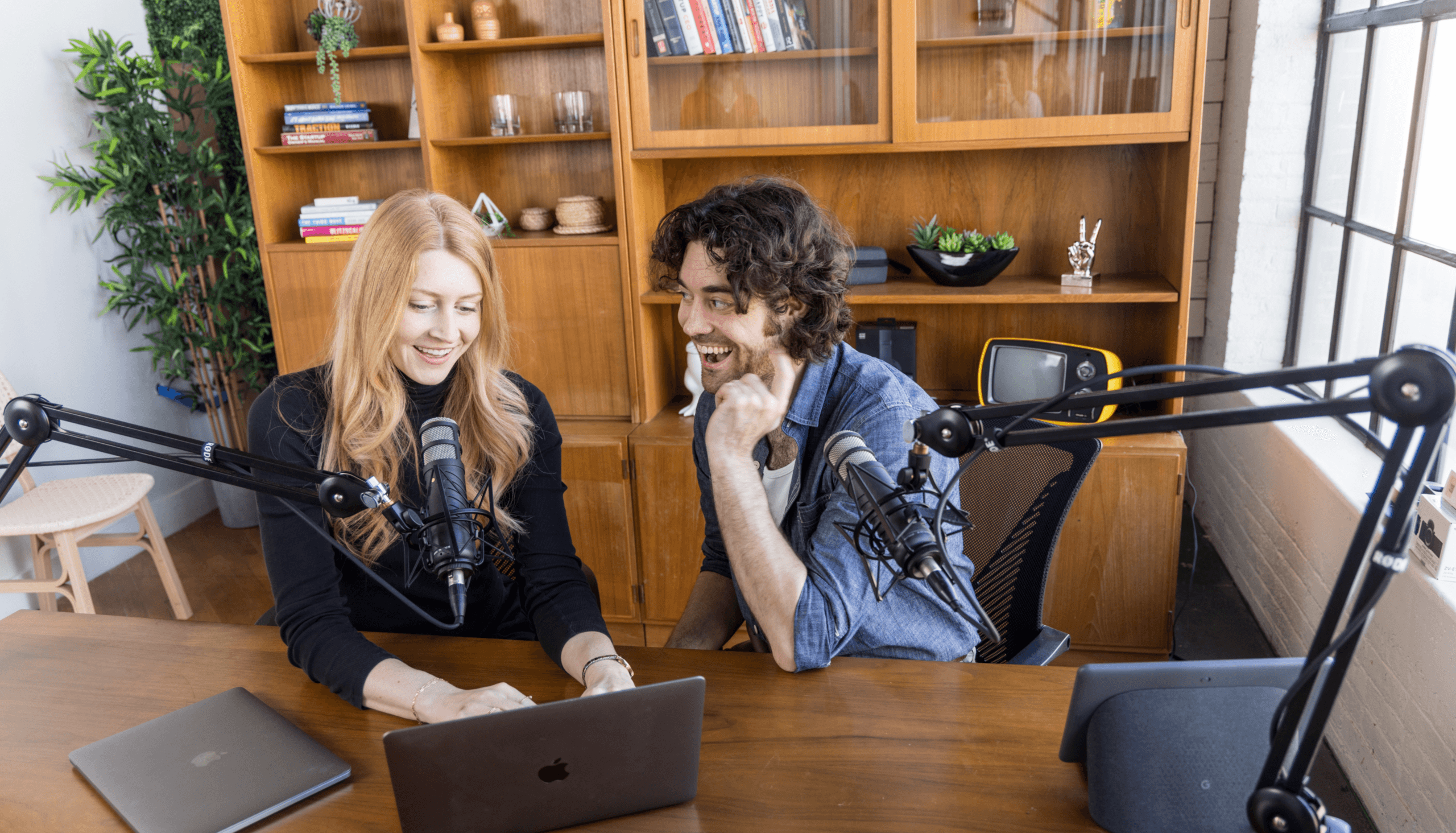
Your producer handles the work around each recording, from the first outline to the publish date. You get one person to talk to and a full team behind them.
One thing your producer won’t do is the editing itself. That’s done by the audio engineers and video editors on our production team, with your producer steering the cut.
- Before you record: show strategy, episode outlines, guest prep, and custom questions
- Gear: equipment recommendations for wherever your team records
- While you record: remote session support, real-time input, and every file collected
- After you record: edits guided by your producer, clips picked for social, and a managed publishing schedule
Which topics stay with your own teams?
Your producer runs the schedule. Your company decides what the show says, and some subjects belong to the people who own them every day.
Your teams keep
- Safety topics, reviewed by your safety team
- Shift and staffing news, owned by operations and HR
- Product claims and customer details, signed off by the people responsible
- The final say on every episode before it goes out
Your producer handles
- The episode plan and outlines, built around your goals
- Guest prep and custom questions for your engineers
- Recording support, so nobody runs a session alone
- Release dates planned with time for your reviewers
We don’t make safety, compliance, or HR calls. Our job is to give your reviewers the time they need and keep the show moving around them.
What could a manufacturer’s show talk about?
These are starting points for the first call. Your producer shapes them into outlines with you.
How a part gets made
An engineer walks through a process they know by heart. Your producer preps the questions, so the episode stays clear for listeners outside the plant.
A plant leader’s first year
What it took to turn a site around or open a new line. It’s a story your hiring team can share with candidates, too.
The question sales keeps hearing
Pick a question buyers ask every week. Then give it a full episode with the expert who can answer it best.
Guest lists start on your side, and invitations go out from your team. We’ll get each guest ready and write questions that fit them.
How does a manufacturer get started with a producer?
| # | Step | What happens |
|---|---|---|
| 01 | Meet your producer | A video call about your company, your goals, and the show you have in mind |
| 02 | Pick what you need | Decide which parts you’d like to hand over, from the first outline to release day |
| 03 | Work together | Plan episodes, prep guests, and record with your producer on the call |
| 04 | Grow the show | Publish on a steady schedule, look at the numbers, and adjust as you go |
How much of the show should you hand off?
Every package draws on the same team. The difference is how far you’d like us to take it.
Help with a few things
- Choose only the support you want
- No monthly commitment
- Chat support
A producer running it with you
- A dedicated producer
- Editing for audio and video, with marketing included
- 1, 2, or 4 episodes each month
More than one show or team
- Multiple shows or teams
- Scripted and docuseries production
- Scoped around what you need
Starting from zero? The podcast launch program covers strategy, branding, and your first episodes before management begins. For a rough range, the podcast cost calculator asks 10 questions and takes about two minutes.
Questions manufacturers ask about podcast management
What does manufacturing podcast management include?
A producer who plans episodes, preps guests, supports each recording, guides the edit, and keeps your releases on track. On a subscription, podcast marketing can be part of the package too.
Do our engineers need to come to a studio?
No. Recording happens remotely, and your producer can join wherever your team and guests are. Before the first session, they’ll suggest equipment that suits your setup.
Who reviews episodes that touch on safety or shifts?
Your own teams do. Safety belongs to your safety team, and shift or staffing news belongs to operations and HR. We plan release dates around their review.
Will we keep the same producer?
We try hard to keep the same dedicated producer on your show. That way, the person planning with you already knows your people and your show.
Is the producer the person who edits our episodes?
No. Editing is handled by our audio engineers and video editors. Your producer steers them, so each cut lines up with the plan you made together. You can see the whole flow on how things work.
How much does podcast management cost for a manufacturer?
That comes down to how many episodes you make and how much of the work you’d pass to us. Subscriptions and custom packages are quoted on a call, once we’ve heard about your show.
Let’s give your plant’s podcast a producer
Tell us where your show stalls and who’s been holding it together. We’ll walk through what a producer could carry for you, and what that’d look like.